Vision loss affects millions of Americans—and the numbers are rising. Here’s what you need to know.
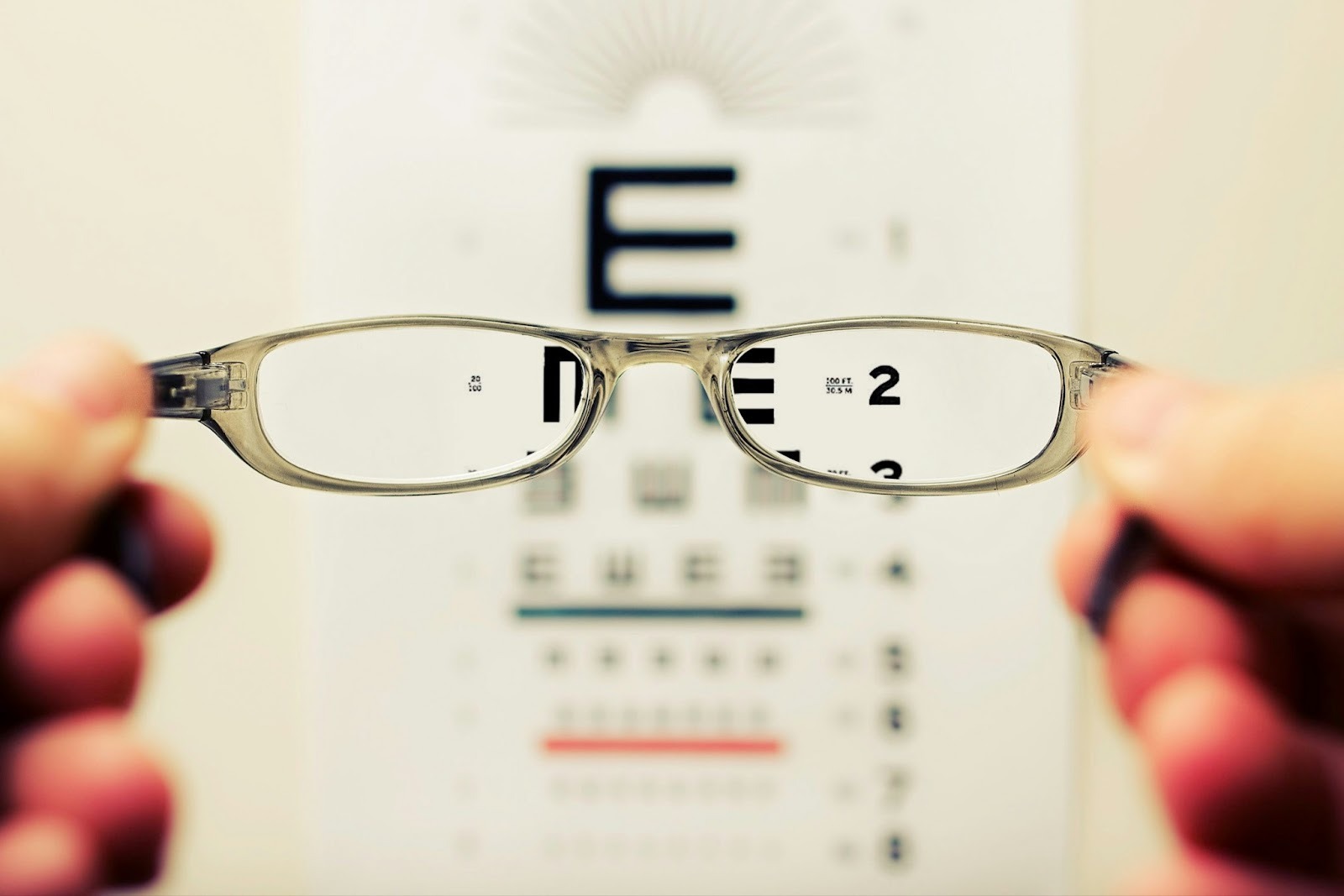
Did you know that vision loss ranks among the top 10 disabilities in the United States? About 12 million Americans aged 40 and older experience some form of vision impairment. That breaks down to:
- 1 million people who are blind
- 3 million with vision impairment even after correction
- 8 million with uncorrected refractive errors (like needing glasses but not having them)
In fact, 1 in 28 Americans over age 40 has some form of visual impairment.
What Causes Vision Loss?
The leading culprits behind vision loss in U.S. adults are:
- Age-related macular degeneration (AMD)
- Cataracts
- Diabetic retinopathy
- Glaucoma
Many of these conditions are linked to aging, but the good news is that prevention and early detection can make a huge difference. Regular eye exams, managing diabetes, and protecting your eyes from UV rays are simple steps that can significantly reduce your risk.
Age Matters—A Lot
Vision loss is strongly associated with aging. About 12% of adults aged 65 and over report vision impairment, and your risk of blindness doubles with each decade after age 40.
Here’s a startling projection: by 2050, the number of Americans with vision impairment or blindness is expected to double from 8 million to 16 million, largely due to our aging population.
Who is Most Affected?
Vision loss doesn’t affect everyone equally:
- Women experience higher rates of vision loss than men, primarily because they tend to live longer
- Black and Hispanic Americans face higher rates of vision loss, often related to diabetes, glaucoma, and limited access to quality eye care
- People with lower income, less education, or living in rural areas experience more vision loss due to barriers in accessing specialized care
The Real-World Impact
Vision loss affects more than just what you can see. Consider this:
- People with vision impairment are twice as likely to experience depression and social isolation
- Among older adults, vision loss is a major risk factor for falls, fractures, and loss of independence
- The total economic impact of vision loss in the U.S. exceeds $140 billion annually when you factor in medical costs and lost productivity
A Global Perspective
The challenge isn’t just here at home. Worldwide:
- 2.2 billion people have some form of vision impairment or blindness
- At least 1 billion of these cases could have been prevented or still need to be addressed
- About 90% of people with vision impairment live in low- and middle-income countries, where access to basic treatments like cataract surgery may be limited
Globally, uncorrected refractive errors and cataracts remain the most common causes of vision loss—both of which are treatable with proper care.
What This Means for Our Future
As our population ages, the need for low-vision rehabilitation, assistive technology, and inclusive community programs will grow dramatically in the coming decades.
The good news? We have the tools to make a difference. Through prevention, early detection, and expanded access to care, we can help preserve sight and improve the quality of life for millions of people.
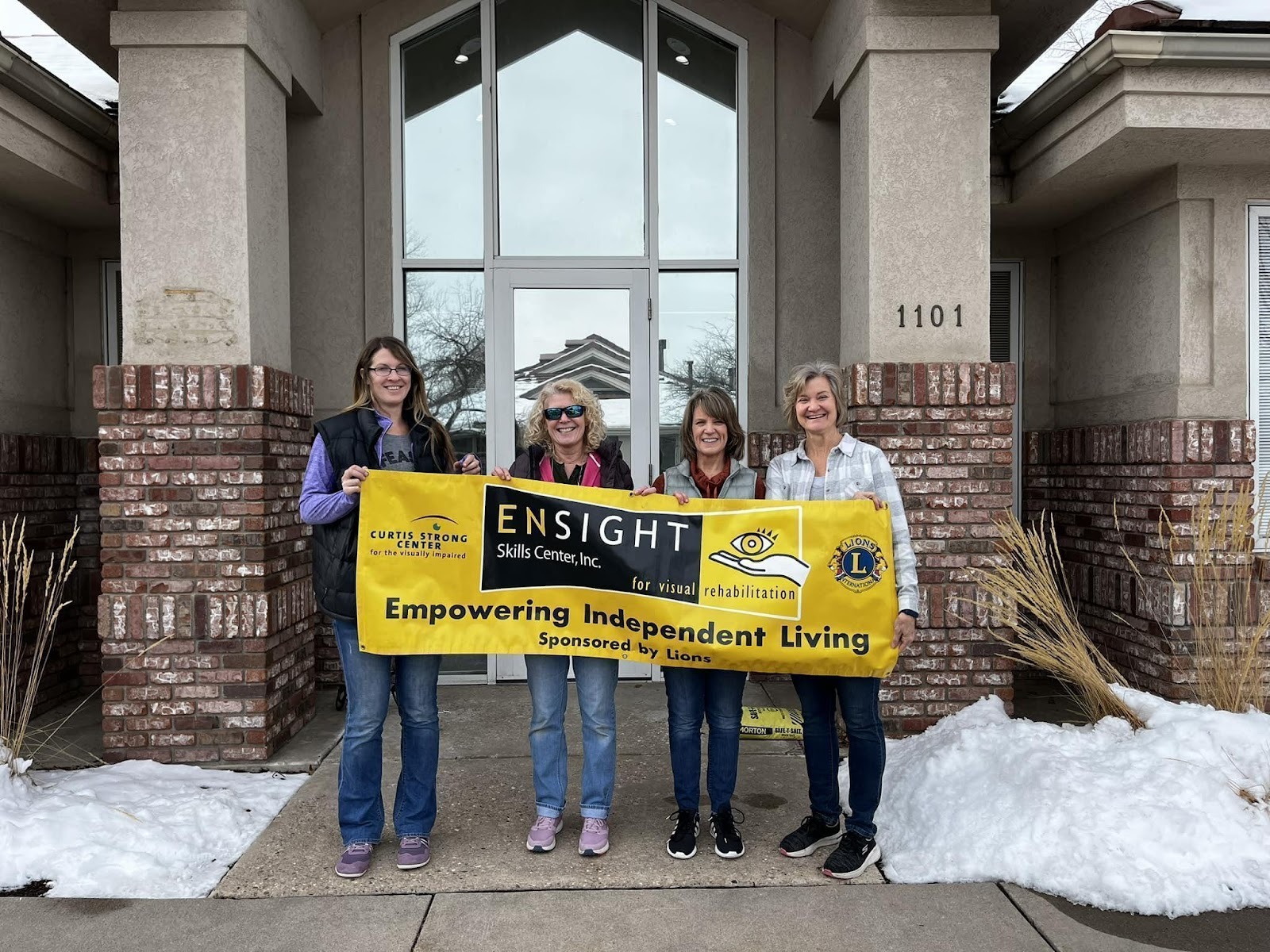
At Ensight Skills Center, we’re committed to supporting individuals with vision loss through training, resources, and community connection. Because everyone deserves the opportunity to live independently and confidently, regardless of their vision.
Sources: CDC (2024), American Foundation for the Blind, NIH/NEI, Prevent Blindness America (2023), World Health Organization (2023)
To stay connected and up to date on the latest opportunities and success stories, we encourage you to follow Ensight across all our social media platforms. Visit Ensight Skill Center’s Homepage for a comprehensive overview of our programs, sign up for our Newsletter, and connect with us on Facebook, LinkedIn, and Instagram to gain access to valuable resources, inspiring stories, and updates on all of our upcoming events.
FAQS
Frequently Asked Questions About Vision Loss and Blindness
How common is vision loss in the United States?
Vision loss is one of the top 10 disabilities in the United States, affecting approximately 12 million Americans aged 40 and older. This includes 1 million people who are blind, 3 million with vision impairment after correction, and 8 million with uncorrected refractive errors. Statistically, 1 in 28 Americans over the age of 40 has some form of visual impairment.
What are the leading causes of vision loss in adults?
The four leading causes of vision loss among U.S. adults are age-related macular degeneration (AMD), cataracts, diabetic retinopathy, and glaucoma. These conditions are often age-related, but many can be prevented or managed with early detection and proper treatment. Regular eye exams and managing underlying health conditions, such as diabetes, can significantly reduce your risk.
At what age does vision loss become more common?
Vision loss is strongly age-related and becomes significantly more common after age 40. The risk of blindness doubles with each decade after 40, and about 12% of adults aged 65 and older report some degree of vision impairment. This is why regular eye exams become increasingly important as you age.
Can vision loss be prevented?
Yes, many cases of vision loss can be prevented or delayed through early detection and proper care. Key prevention strategies include getting regular comprehensive eye exams, managing chronic conditions like diabetes, protecting your eyes from UV radiation with sunglasses, maintaining a healthy diet, not smoking, and monitoring changes in your vision. According to the World Health Organization, at least 1 billion cases of vision impairment worldwide could have been prevented or are yet to be addressed.
How many people will have vision loss by 2050?
By 2050, the number of Americans with vision impairment or blindness is projected to double from 8 million (in 2015) to 16 million, primarily due to the aging U.S. population. This dramatic increase highlights the growing need for low-vision rehabilitation services, assistive technology, and inclusive community programs to support people with vision loss.
Who is most at risk for vision loss?
Several demographic factors increase the risk of vision loss. Women are more likely to experience vision loss than men, primarily because they live longer on average. Black and Hispanic Americans have higher rates of vision loss compared to white Americans, often linked to higher rates of diabetes, glaucoma, and disparities in access to eye care. Additionally, people with lower income, lower educational attainment, and those living in rural areas face greater risk due to limited access to specialized eye care services.
What is the economic impact of vision loss?
The total economic burden of vision loss in the United States is estimated at over $140 billion annually. This figure includes direct medical costs as well as indirect costs such as lost productivity, disability benefits, and reduced quality of life. The financial impact extends beyond healthcare, affecting employment, independence, and overall economic participation.
How does vision loss affect mental health and daily life?
Vision loss has significant impacts beyond the physical ability to see. People with vision impairment are twice as likely to experience depression and social isolation compared to those without vision loss. Among older adults, vision loss is a major risk factor for falls, fractures, and loss of independence. These functional impacts highlight the importance of not just treating vision conditions, but also providing comprehensive support, including rehabilitation and mental health services.
How many people worldwide have vision loss?
According to the World Health Organization’s 2023 update, approximately 2.2 billion people worldwide have some form of vision impairment or blindness. About 90% of people with vision impairment live in low- and middle-income countries, where access to basic eye care services and treatments like cataract surgery may be limited. The most common causes globally are uncorrected refractive errors and cataracts, both of which are treatable with proper care.
What are uncorrected refractive errors?
Uncorrected refractive errors occur when someone needs vision correction (such as glasses or contact lenses) for conditions like nearsightedness (myopia), farsightedness (hyperopia), or astigmatism, but doesn’t have access to or isn’t using the appropriate correction. This is one of the most common and easily preventable causes of vision impairment, affecting 8 million Americans aged 40 and older. A simple eye exam and prescription eyewear can often resolve this issue completely.
What resources are available for people with vision loss?
People with vision loss have access to various resources, including low-vision rehabilitation services, assistive technology (such as screen readers, magnifiers, and specialized software), orientation and mobility training, and skills training for daily living. Organizations like Ensight Skills Center provide specialized training and support to help individuals with vision loss maintain independence and quality of life. Additionally, many communities offer support groups, adaptive equipment lending libraries, and educational programs specifically designed for people with visual impairments.
Is vision loss always permanent?
Not all vision loss is permanent. Conditions like cataracts can often be successfully treated with surgery, and uncorrected refractive errors can be corrected with glasses or contact lenses. However, some conditions like advanced glaucoma, severe diabetic retinopathy, or late-stage macular degeneration can cause permanent vision loss. This is why early detection through regular eye exams is so critical—many eye diseases can be managed or treated effectively if caught early, preventing or slowing vision loss.
For more information about vision loss support services, rehabilitation, and community resources, contact the Ensight Skills Center or consult with your eye care professional.