
Assistive technology has transformed daily life for people with low vision, and the options available today are more powerful, portable, and accessible than ever before. From simple magnifiers and talking appliances to AI-powered smart glasses that describe the world in real time, there’s a wide spectrum of tools designed to support independence at every stage of vision loss.
Whether you’re newly diagnosed, supporting a family member, or a care professional researching the latest solutions, knowing where to look is half the battle. Ensight Skills Center has compiled this list of trusted resources to help you explore what’s out there and find the right fit for your needs.
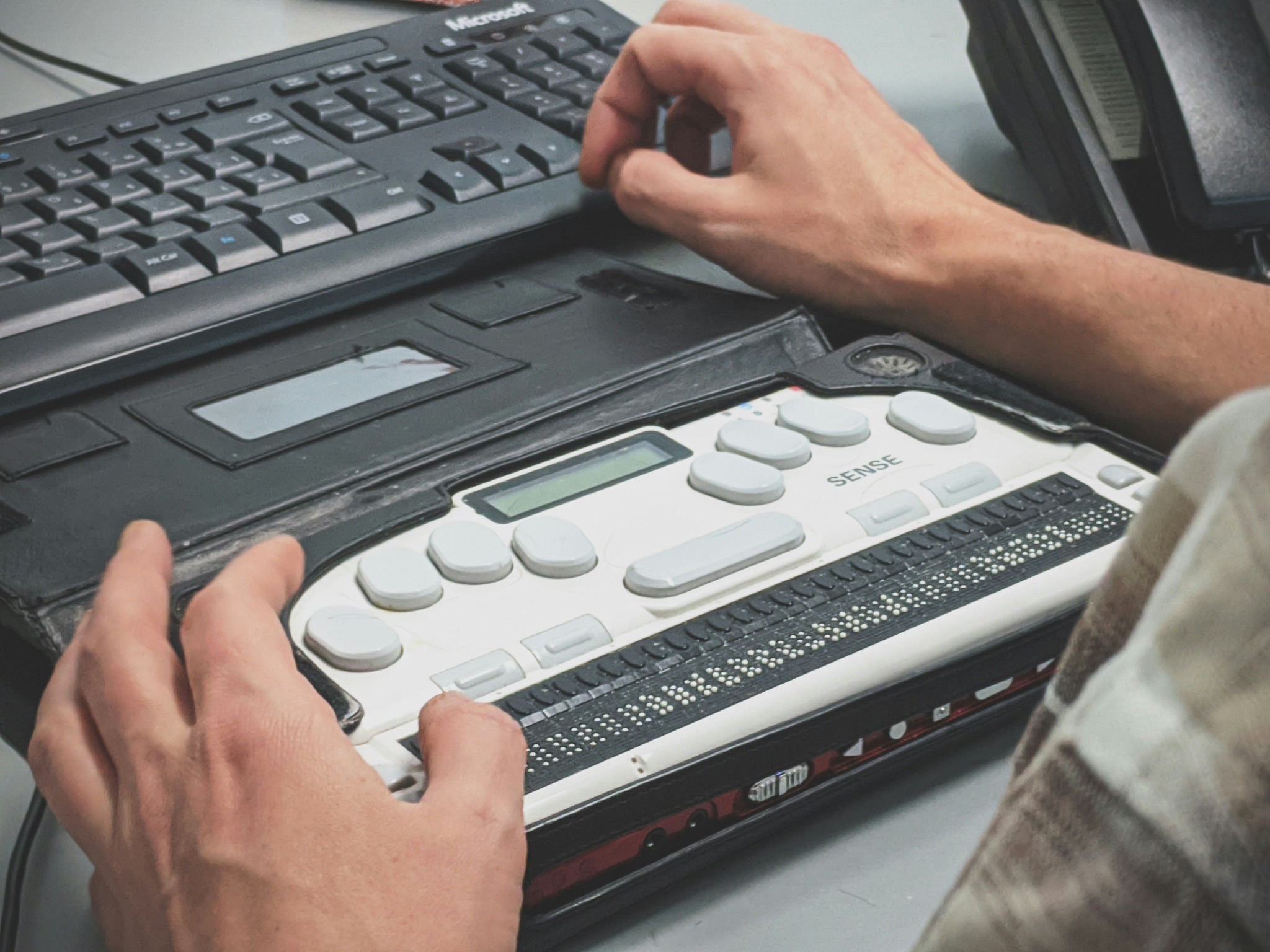
American Academy of Ophthalmology — A clear overview of device categories: optical aids (magnifiers, telescopes), non-optical tools (large print, talking devices), and electronic options (video magnifiers, OCR readers, smartphone apps). A great starting point for anyone new to low vision tech.
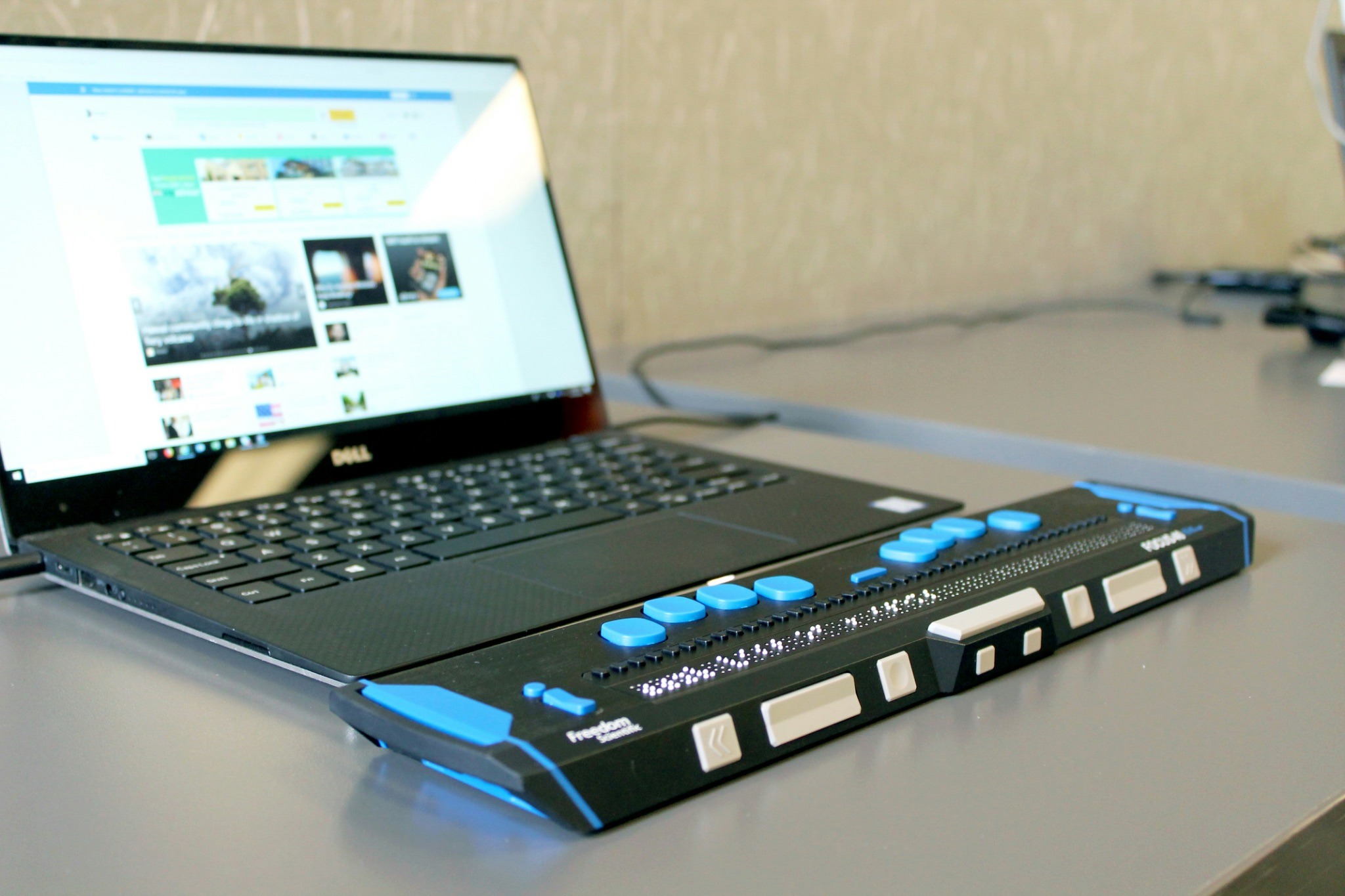
Lighthouse Guild Technology Center — Reviews both high-tech wearables (IrisVision, eSight 4, NuEyes, Eyedaptic) and practical low-tech solutions. They recommend a professional evaluation before purchasing to find the right fit.
Vispero — The world’s largest assistive technology company for blind and low vision users, home to JAWS (screen reader), ZoomText (magnification software), and Fusion (both combined). A go-to for digital accessibility tools.
Envision — AI-powered apps and smart glasses that read text, describe scenes, scan documents, and more. Their free Ally App works in 60+ languages; their Envision and Ally Glasses bring hands-free access to the visual world.
Prevent Blindness – Living Well With Low Vision — A comprehensive directory of hundreds of low vision device suppliers, plus resources for financial assistance, transportation, and finding care providers.
Be My Eyes — A free app connecting blind and low vision users with sighted volunteers or AI for real-time visual help via video. Available 24/7 in 150+ countries, it’s one of the most accessible and immediate tools available.
At Ensight Skills Center, we’re here to help you find the tools and training that fit your life. Reach out to us for personalized guidance.
Technology is a tool. Independence is the goal.
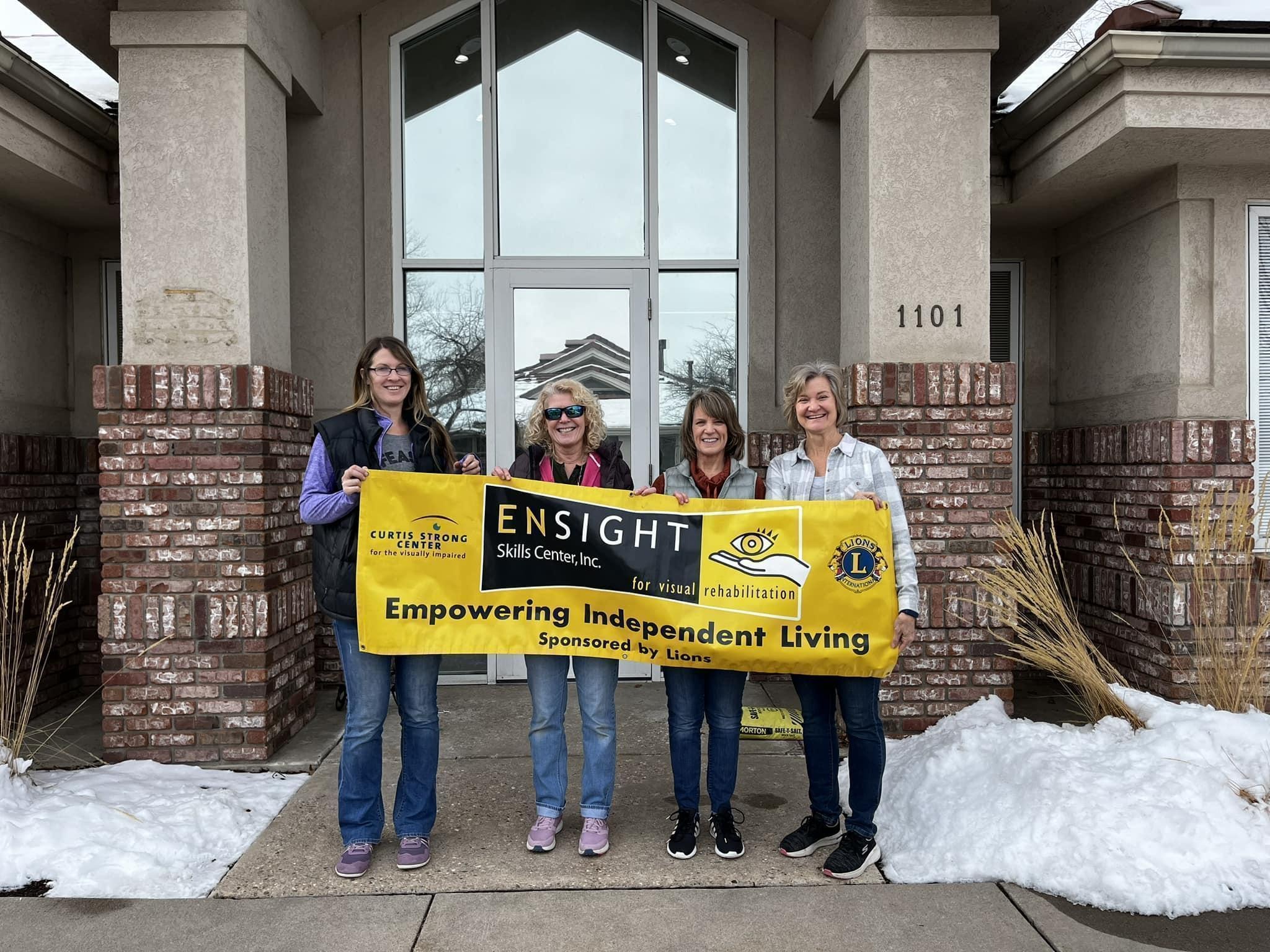
To stay connected and up to date on the latest opportunities and success stories, we encourage you to follow Ensight across all our social media platforms. Visit Ensight Skill Center’s Homepage for a comprehensive overview of our programs, sign up for our Newsletter, and connect with us on Facebook, LinkedIn, and Instagram to gain access to valuable resources, inspiring stories, and updates on all of our upcoming events.
Frequently Asked Questions (FAQS)
What is low vision?
Low vision is a significant visual impairment that cannot be fully corrected with glasses, contact lenses, medication, or surgery. It’s not the same as blindness—people with low vision have some remaining sight, but it’s not sufficient for everyday tasks without assistance or adaptive strategies.
What causes low vision?
Low vision can result from various eye conditions and diseases, including:
- Macular degeneration
- Glaucoma
- Diabetic retinopathy
- Cataracts
- Retinitis pigmentosa
- Eye injuries or trauma
- Other hereditary or age-related conditions
How common is low vision?
Low vision affects millions of people worldwide. The risk increases with age, making it particularly prevalent among older adults, though people of all ages can experience low vision.
What makes a space accessible for people with low vision?
Accessible spaces for people with low vision include:
- Proper and adequate lighting
- High-contrast signage with large, clear fonts
- Tactile markers and indicators
- Clear, unobstructed pathways
- Well-defined edges and boundaries
- Minimal glare from windows and lighting fixtures
What types of assistive technology are available?
Common assistive technologies for low vision include:
- Screen magnification software
- Text-to-speech applications
- Electronic magnifiers
- Specialized lighting systems
- Large-print materials
- High-contrast keyboards
- Video magnifiers
- Smart glasses and wearable devices
What does Ensight Skills Center do?
Ensight Skills Center provides vital services, training, and resources to individuals with low vision and blindness. The organization is dedicated to empowering people with vision loss to achieve their goals and live fulfilling, independent lives through skills training, support services, and advocacy.
How can I support low vision awareness and research?
You can support low vision awareness by:
- Educating yourself and sharing information with others
- Donating to organizations like Ensight Skills Center
- Volunteering your time and skills
- Participating in fundraising events
- Supporting research initiatives
- Advocating for accessibility in your community
- Promoting assistive technology and resources on social media
Can people with low vision work and live independently?
Yes! With appropriate training, assistive technology, and accessible environments, many people with low vision lead independent, productive lives. They work in various professions, pursue education, maintain homes, and participate fully in their communities.
Where can I learn more about low vision?
You can learn more by:
- Contacting organizations like Ensight Skills Center
- Visiting reputable vision health websites
- Consulting with eye care professionals
- Attending Low Vision Awareness Month events in February
- Connecting with local support groups and advocacy organizations
For more information about vision loss support services, rehabilitation, and community resources, contact the Ensight Skills Center or consult with your eye care professional.