Every year on the last Wednesday of May, communities across the country come together for National Senior Health & Fitness Day — the nation’s largest health promotion event for older adults. For those of us at Ensight Skills Center, this day carries special meaning. It’s a reminder that every older adult, regardless of their vision, deserves the opportunity to move, strengthen, and thrive.
Vision loss — whether from macular degeneration, glaucoma, diabetic retinopathy, or any other condition — presents real challenges. But it does not mean giving up on your body. With the right strategies, adaptations, and support, people with low vision can enjoy a wide range of physical activities that boost health, build confidence, and bring joy.
Why fitness matters even more with low vision
Research consistently shows that adults with visual impairments are at higher risk for falls, depression, social isolation, and physical deconditioning. Regular exercise directly counters each of these risks. Strength and balance training reduces fall risk. Aerobic activity lifts mood and supports cardiovascular health. And group exercise creates community — something that becomes especially precious when low vision can make the world feel smaller.
The benefits of staying active compound with age. Even modest increases in physical activity — a daily walk, gentle stretching, a weekly fitness class — can mean sharper cognition, better sleep, stronger bones, and a greater sense of independence. Activities that work beautifully with low vision
The list of accessible fitness options is longer than most people expect. Here are some of the best:

BALANCE
Tai chi & yoga
Slow, intentional movements guided by verbal instruction. Many instructors are experienced in accommodating vision loss, and both disciplines are proven to reduce fall risk significantly.
STRENGTH
Resistance band training
Lightweight, inexpensive, and easy to use at home. Bands can be organized by texture or tied with labels so you always grab the right resistance.
CARDIO
Stationary cycling
Recumbent and upright stationary bikes provide excellent cardiovascular exercise with no navigation required. Many gyms have accessible, talking displays.
OUTDOOR
Tandem cycling & guided running
Organizations like United in Stride pair visually impaired runners with sighted guides. Tandem bikes let you feel the wind and the freedom of outdoor riding with a partner in front.
WATER
Swimming & water aerobics
Pools offer clear lane boundaries, low injury risk, and a full-body workout. Water aerobics classes are social, low-impact, and widely adapted for older adults.
AT HOME
Chair-based exercise
Seated workouts build strength and flexibility with minimal fall risk. Audio-led chair yoga routines are freely available and can be done in any room.
MIND-BODY
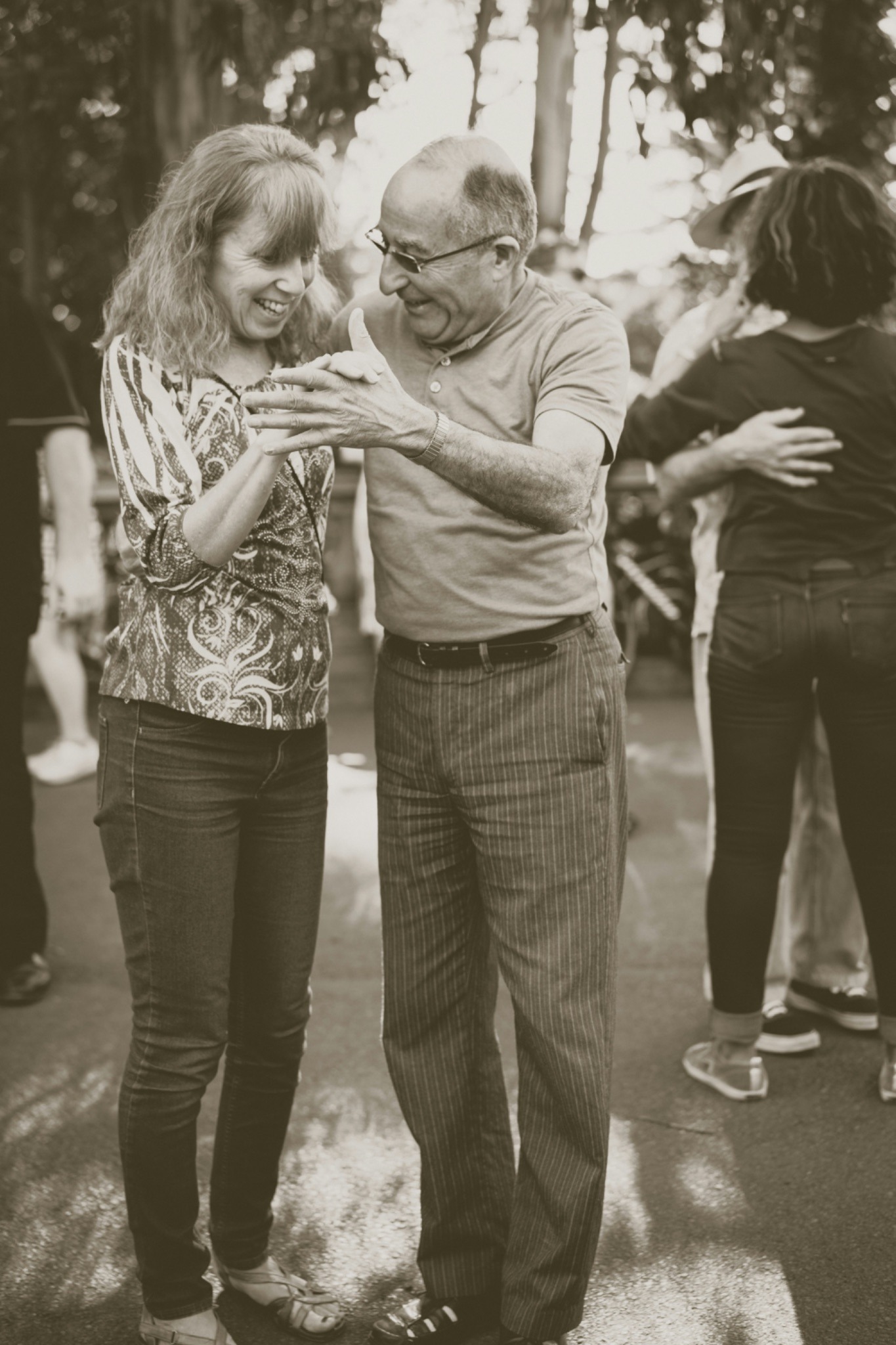
Dance & rhythm movement
Partner dances, seated movement to music, or rhythm-based classes rely on hearing and touch — making them wonderfully accessible and joyful for people with low vision.
Nutrition: the other half of healthy aging
Fitness isn’t only about movement. What we eat powerfully shapes how we feel, how quickly we recover, and how well we see. For people with age-related macular degeneration specifically, diets rich in leafy greens, colorful vegetables, omega-3 fatty acids, and antioxidants (the AREDS2 nutrient profile) have been shown to slow disease progression.
Staying hydrated, limiting highly processed foods, and maintaining a healthy weight also support eye health and general vitality. If grocery shopping or meal preparation has become harder because of low vision, know that adaptive kitchen tools, meal delivery services, and Ensight’s own independent living skills training can help you stay nourished and independent in the kitchen.

Mental health is health, too
National Senior Health & Fitness Day rightly emphasizes the whole person. Vision loss can bring grief, anxiety, and withdrawal — and these are real, valid experiences. But exercise is one of the most evidence-backed interventions for depression and anxiety in older adults. Movement releases endorphins, creates structure, and — when done with others — builds connection.
If you or someone you love is struggling emotionally with vision loss, please know that support is available. Ensight offers adjustment to vision loss counseling alongside skills training, because we believe healthy aging means caring for the mind as much as the body.
At Ensight Skills Center, our mission is to empower people with visual impairments to live fully — on their own terms. Whether you’re newly diagnosed or have been navigating low vision for years, we’re here to help you find the tools, the confidence, and the community to keep moving forward.
If you or a loved one is living with diabetes-related vision loss, we’re here to help. Contact Ensight Skills Center today to learn more about our services and how we can support your journey.
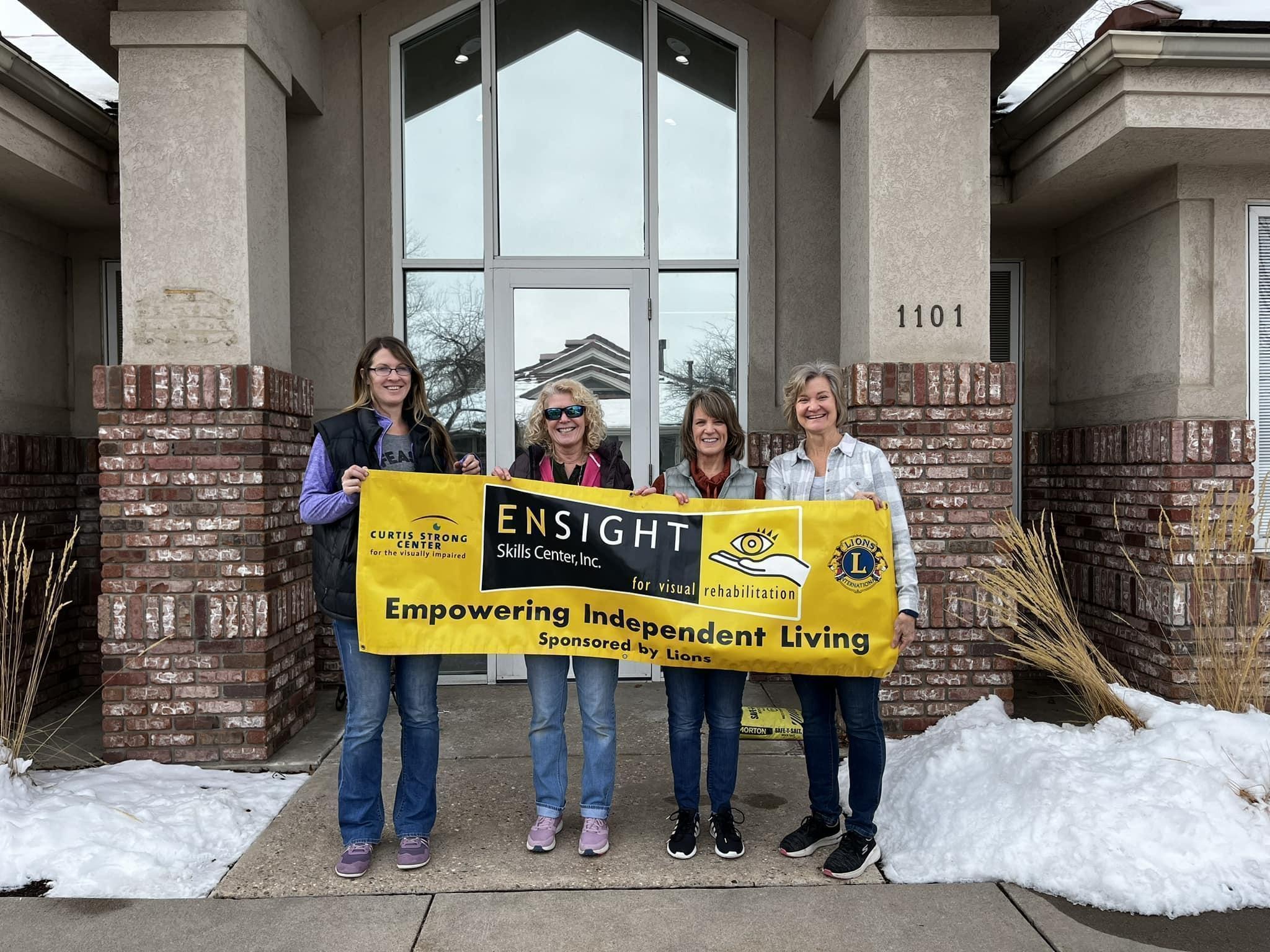
To stay connected and up to date on the latest opportunities and success stories, we encourage you to follow Ensight across all our social media platforms. Visit Ensight Skill Center’s Homepage for a comprehensive overview of our programs, sign up for our Newsletter, and connect with us on Facebook, LinkedIn, and Instagram to gain access to valuable resources, inspiring stories, and updates on all of our upcoming events.
Frequently Asked Questions (FAQS)
What is low vision?
Low vision is a significant visual impairment that cannot be fully corrected with glasses, contact lenses, medication, or surgery. It’s not the same as blindness—people with low vision have some remaining sight, but it’s not sufficient for everyday tasks without assistance or adaptive strategies.
What causes low vision?
Low vision can result from various eye conditions and diseases, including:
- Macular degeneration
- Glaucoma
- Diabetic retinopathy
- Cataracts
- Retinitis pigmentosa
- Eye injuries or trauma
- Other hereditary or age-related conditions
How common is low vision?
Low vision affects millions of people worldwide. The risk increases with age, making it particularly prevalent among older adults, though people of all ages can experience low vision.
Can diabetes cause blindness?
Yes, diabetes is one of the leading causes of preventable blindness in the United States. Conditions such as diabetic retinopathy, diabetic macular edema, and glaucoma can all lead to significant vision loss or blindness if left undetected or untreated. However, with regular eye exams and proper diabetes management, the risk of severe vision loss can be greatly reduced.
How quickly can diabetes affect your eyesight?
The timeline varies from person to person. Some people with Type 2 diabetes may already have early signs of eye damage at the time of diagnosis, as the condition can go undetected for years. For others, eye complications may develop gradually over time. This is why annual dilated eye exams are so important — changes in the eye can occur before any noticeable symptoms appear.
What are the first signs of diabetic eye disease?
In many cases, there are no early warning signs — which is what makes diabetic eye disease particularly dangerous. When symptoms do appear, they may include blurred or fluctuating vision, floaters, dark spots, difficulty seeing at night, or sudden vision changes. Any of these symptoms should prompt an immediate visit to an eye care professional.
What makes a space accessible for people with low vision?
Accessible spaces for people with low vision include:
- Proper and adequate lighting
- High-contrast signage with large, clear fonts
- Tactile markers and indicators
- Clear, unobstructed pathways
- Well-defined edges and boundaries
- Minimal glare from windows and lighting fixtures
What types of assistive technology are available?
Common assistive technologies for low vision include:
- Screen magnification software
- Text-to-speech applications
- Electronic magnifiers
- Specialized lighting systems
- Large-print materials
- High-contrast keyboards
- Video magnifiers
- Smart glasses and wearable devices
What does Ensight Skills Center do?
Ensight Skills Center provides vital services, training, and resources to individuals with low vision and blindness. The organization is dedicated to empowering people with vision loss to achieve their goals and live fulfilling, independent lives through skills training, support services, and advocacy.
How can I support low vision awareness and research?
You can support low vision awareness by:
- Educating yourself and sharing information with others
- Donating to organizations like Ensight Skills Center
- Volunteering your time and skills
- Participating in fundraising events
- Supporting research initiatives
- Advocating for accessibility in your community
- Promoting assistive technology and resources on social media
Can people with low vision work and live independently?
Yes! With appropriate training, assistive technology, and accessible environments, many people with low vision lead independent, productive lives. They work in various professions, pursue education, maintain homes, and participate fully in their communities.
Where can I learn more about low vision?
You can learn more by:
- Contacting organizations like Ensight Skills Center
- Visiting reputable vision health websites
- Consulting with eye care professionals
- Attending Low Vision Awareness Month events in February
- Connecting with local support groups and advocacy organizations
How do I know if I or someone I know might have low vision?
Signs of low vision may include:
- Difficulty reading, even with glasses
- Trouble recognizing faces
- Needing more light for tasks
- Difficulty with glare
- Loss of central or peripheral vision
- Challenges with daily activities like cooking, shopping, or navigating
If you experience these symptoms, consult an eye care professional for a comprehensive evaluation.
For more information about vision loss support services, rehabilitation, and community resources, contact the Ensight Skills Center or consult with your eye care professional.